



For modern dairy farmers, performance and profitability depend on one crucial factor: feed efficiency. With volatile milk prices, unpredictable weather and increasing pressure to improve sustainability, getting the most from every tonne of feed has never mattered more.
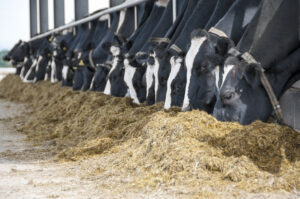 At its core, Protected Feed technology is about precision nutrition. By protecting key nutrients from degradation in the rumen, more of those nutrients bypass to the small intestine where they are absorbed and used efficiently by the cow. The result is improved milk yield, better milk constituents and more efficient nitrogen utilisation.
Unlike standard rations, where a proportion of protein is lost during rumen fermentation, NWF’s Protected Feeds ensure a higher proportion of digestible undegradable protein (DUP) reaches the cow’s system intact. This supports higher-yielding cows, optimises peak performance, and helps maintain body condition during early lactation when nutritional demand is greatest. Improved milk performance is one of the most immediate benefits producers report with many farmers seeing gains in milk litres and improvements in butterfat and protein percentages.
There is also a strong sustainability case. Better nitrogen efficiency means less excess nitrogen is excreted, supporting lower environmental impact and helping farms move toward tighter nutrient management targets. With increasing scrutiny on emissions and nutrient losses, feeding strategies that improve utilisation are becoming essential rather than optional. Another key advantage is ration flexibility. Protected proteins allow nutritionists to reduce overall crude protein levels in the diet without compromising performance. This can lower feed costs, while still delivering the nutrients cows need for optimum production.
Seasonal Drivers of Bypass Nutrient Requirements
During spring, fresh grazing is typically high in rumen-degradable protein and, although this meets the needs of the rumen microbes, it does not supply sufficient bypass protein to sustain high levels of milk production. Whilst grazing, your herd may consume large amounts of rumen available protein, yet receive too little digestible undegradable protein to meet the higher demands of early lactation. Increasing crude protein intake to compensate is not an effective strategy. It is costly, increases nitrogen excretion and can push cows further into negative energy balance due to the metabolic cost of processing excess nitrogen.
Feeding lower levels of rumen degradable protein while increasing the proportion of bypass protein provides a more efficient approach, supplying more metabolisable protein without the negative effects of a high crude protein diet. A similar principle applies to rumen energy supply. Fermentable carbohydrates are necessary for the formation of rumen bacteria, too much quickly fermentable starch raises the danger of acidosis, especially when mixed with the high sugar content of spring grass. To boost intakes while preserving rumen stability, protected starch sources like Ultra Starch-W decrease the quantity of starch that ferments in the rumen and increases the amount available to the hindgut.
Practical Application this Spring
Spring grass contains rapidly fermentable sugars which can place pressure on rumen pH and reduce the efficiency of fibre digestion. Including rapidly fermentable cereals such as wheat or barley can increase this pressure further. Ultra Starch-W offers an alternative by providing a higher level of hindgut digestible starch than untreated wheat. This reduces rumen fermentation load and improves total energy utilisation when grazing quality and dry matter intakes vary.
Bypass Protein
Ultra Pro-R and Ultra Soy support metabolisable protein supply at times when microbial protein synthesis becomes limiting. The highly digestible bypass protein content improves amino acid flow to the small intestine and supports:
• Improved peak yields.
• Reduced nitrogen wastage.
• Better fertility performance through reduced negative energy balance.
Bypass Starch
Ultra Starch-W improves energy supply during periods of fluctuating forage quality, especially in spring when rumen pH stability is more difficult to manage. As forage quality improves through spring and summer, rumen degradable protein and fermentable carbohydrate often exceed the rumen’s optimum working range. Under these conditions the limiting nutrients for performance shift from rumen degradable supply to bypass protein and bypass starch.
Your local NWF sales specialist will work with you to tailor rations to your herds goals, whether its maximising peak yields, improving fertility, maintaining condition or driving margin over feed cost. Ultra Pro-R, Ultra Soy and Ultra Starch-W provide consistent, predictable post rumen nutrient delivery that supports high lactation performance, improves nutrient utilisation and helps manage environmental outputs throughout the spring and summer periods.
For further information on NWF protected feeds, please contact your local NWF Sales Specialist or call Rupert Stafford or Su Mills on 01829 262270